
Swedish skiers have mixed feelings as winters become warmer
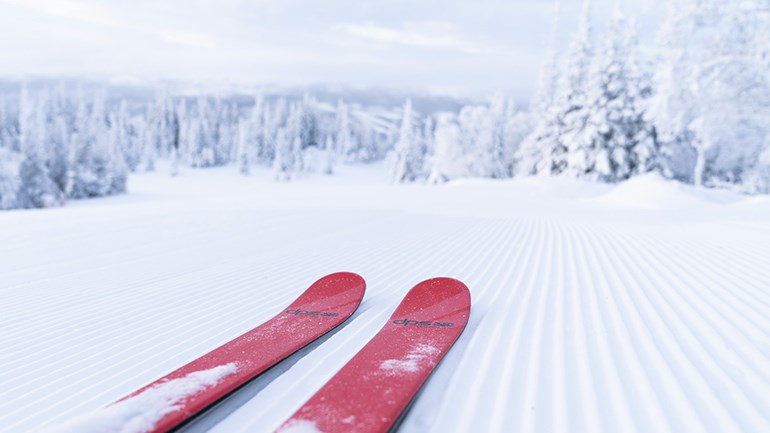
Downhill skiing as we know it is under threat, according to participants in a new study who were interviewed about how they view the impact of climate change on alpine skiing.
Melting glaciers, lack of snow and cancelled World Cup competitions: warmer winters are affecting both local clubs and large ski resorts. According to a new study, dedicated downhill Swedish skiers are concerned about the future.
“Above all, they say that winters have become more unpredictable, which conflicts with the expectation that the slopes will still be open as usual from November and throughout the winter season,” says Marie Larneby, a researcher in sports science at Malmö University.
In a newly published study, Larneby interviewed ten Swedish downhill skiers about how they view the impact of climate change on alpine skiing. All are seasoned skiers who work, or have worked, as ski instructors or volunteer coaches.
According to Larneby, during the 2000s, snow cannons (which create artificial snow) became standard at ski resorts. But skiers question how sustainable it is to devote so many resources to the production of artificial snow, especially if future winters become even warmer.
Significant effects for clubs in southern Sweden
In the Alps, ski resorts have been forced to close in recent years due to lack of snow and unstable weather, and even World Cup competitions have had to be cancelled. In Sweden, most large ski resorts have been able to remain open so far, albeit with more uncertain seasons. The effects are more noticeable for skiers and smaller clubs in the southern part of the country, who can no longer count on their local home slopes.
"For the skiers I have interviewed, this is a sad situation. They want skiing to remain part of Swedish sporting life, but if the small slopes close, it will no longer be an activity that is accessible to everyone.”
Try to reduce your own climate impact
According to the participants in the study, downhill skiing as we know it is under threat, not least for those who see it as a nature experience. They have tried in various ways to reduce their own climate impact, for example by cutting down on travel and repairing equipment and clothing instead of buying new. In relation to ski resort guests, ski instructors also try to encourage them to protect nature outside the slopes.
"We have created environments that have led us to believe that we can tame nature, and ski resort guests expect a certain experience. But if we want to continue skiing outdoors, perhaps we should become better at embracing the whims of the weather and realise that we cannot control everything," concludes Larneby.
Additional information
The study is part of a larger research and collaboration programme on increased environmental sustainability in sports and outdoor recreation. The Department of Sports Science also has a research group focusing on sustainability in relation to the sports sector. Read Marie Larneby's entire study here:
The role of an environmental perspective among skiers in the changing landscapes of alpine skiing