
Research integrated with teaching
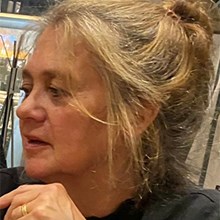
Crime prevention should be grounded in theory
Professors Marie Torstensson Levander and Per-Olof Wikström welcome new students to the introductory course in modern criminological theory – a course that offers a unique insight into how theory shapes future crime prevention work.
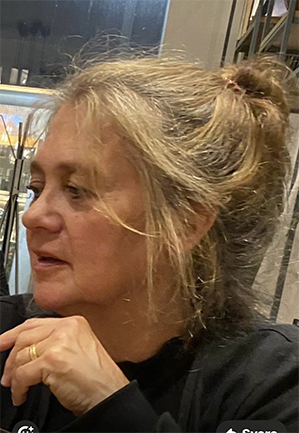
Crime prevention should be grounded in theory
Professors Marie Torstensson Levander and Per-Olof Wikström welcome new students to the introductory course in modern criminological theory – a course that offers a unique insight into how theory shapes future crime prevention work.
Two of Sweden’s leading researchers in the field, Marie and Per-Olof initiated the establishment of criminology as a subject at the University in 2007. Since then, they have played a central role in teaching and continue to contribute their extensive expertise, their dedication and their research-based teaching.
Under their leadership, students gain access not only to the latest research – but also to the people who have helped shape the development of the subject at Malmö University from the ground up.

Photo: Per-Olof Wikström.
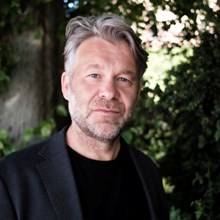
Understanding the causes of crime requires both theory and empirical evidence
Professor Robert Svensson teaches criminological theory for the bachelor programme, alongside Marie Torstensson Levander. A key aspect of the course is to demonstrate how different theoretical perspectives have evolved over time.

Understanding the causes of crime requires both theory and empirical evidence
Professor Robert Svensson teaches criminological theory for the bachelor programme, alongside Marie Torstensson Levander. A key aspect of the course is to demonstrate how different theoretical perspectives have evolved over time.
“It is also crucial to highlight the importance of integrating theory and empirical evidence in order to understand criminal behaviour and the causes of crime,” says Robert.
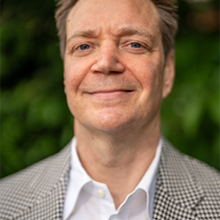
Organised crime and hard drugs
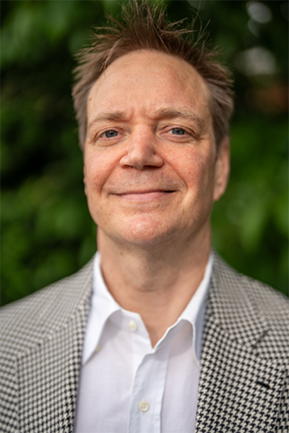
Professor Kim Møller guides students in conducting thematic analyses of questions directly connected to his ongoing research.
Organised crime and hard drugs
Professor Kim Møller guides students in conducting thematic analyses of questions directly connected to his ongoing research.
“In this course, students explore organised crime, drug markets, money laundering, new psychoactive substances, online data, CCTV, crime harm, and cybercrime – areas at the forefront of contemporary criminology,” says Kim.
By working hands‑on with real research questions and current societal challenges, students gain practical analytical experience and develop the skills needed to understand and address some of today’s most pressing crime phenomena.
A scientific conference for students
During the programme introduction students participate in a teaching session we call the criminological conference.
A scientific conference for students
During the programme introduction students participate in a teaching session we call the criminological conference.
The format resembles a scientific conference: researchers present their studies in short talks and then take part in a panel where students can ask questions. The participating researchers vary from term to term and may include everyone from doctoral students to professors.
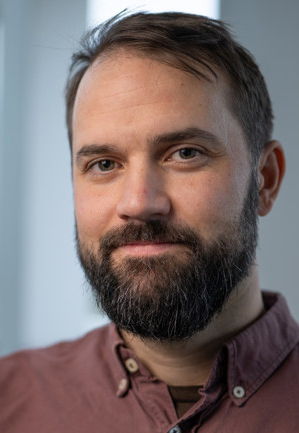
Alexander Engström is a researcher and programme director for the Criminology Programme.
“The purpose of this session is to ensure that students encounter current research conducted at the department early in their studies and have the opportunity to interact with researchers. Previous research shows that early contact with research strengthens the integration of research throughout the education. Students are typically engaged and curious about the research conducted at the department,” he says.
Students are exposed to research from the beginning
VIP Programme

Research internships for students
Research internships for students
Another way in which students are involved in ongoing research in criminology is through so-called vertically integrated projects (VIP). Students who participate in the VIP programme gain valuable experience of current and ongoing research whilst taking part in authentic research projects.